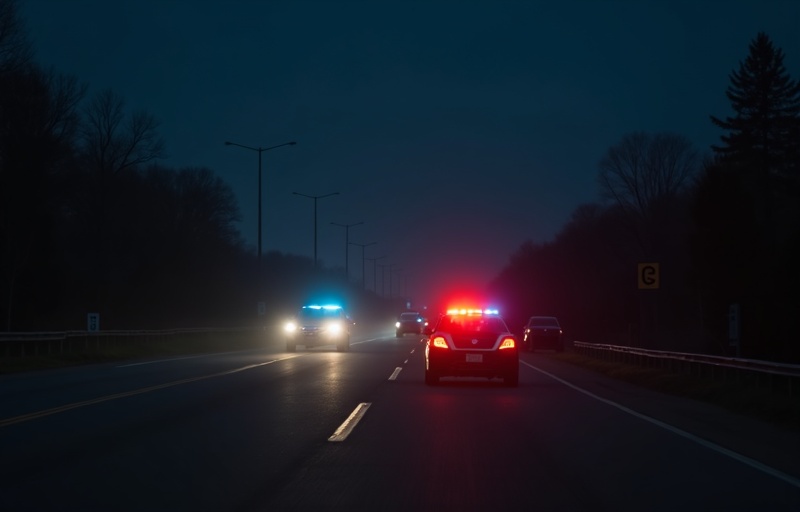
Careless Driving vs. Reckless Driving in Michigan
Michigan drivers often confuse careless driving and reckless driving, but the difference between these two charges is enormous. Careless driving is a civil infraction that adds points to your record and increases your insurance rates. Reckless driving is a criminal misdemeanor that creates a permanent criminal record, carries potential jail time, and can result in license suspension. Understanding how these charges differ, why officers choose one over the other, and how each is defended is essential if you have been cited or charged.
How Michigan Law Defines Careless Driving
Careless driving is a civil infraction under Michigan law. It is defined as driving in a careless manner, without due caution, or in a way that endangers another person's property. It is essentially a catch-all for driving behavior that is unsafe but does not rise to the level of intentional disregard for safety. Because it is a civil infraction, a careless driving conviction does not create a criminal record. It does, however, add three points to your driving record and can significantly affect your insurance premiums. Many prosecutors are willing to reduce other traffic charges to careless driving as part of a negotiated resolution.
How Michigan Law Defines Reckless Driving
Reckless driving is a criminal misdemeanor in Michigan. It is defined as driving with willful or wanton disregard for the safety of persons or property. The key word is willful — reckless driving requires proof that the driver consciously disregarded a known risk. This is a much higher standard than careless driving. A reckless driving conviction adds six points to your record, carries potential jail time of up to ninety-three days for a first offense, and creates a permanent criminal record. If reckless driving causes serious injury, the charge can be elevated to a felony.
Why the Distinction Matters for Your Record
The practical difference between these two charges cannot be overstated. A careless driving ticket is a traffic matter. It affects your insurance and your points, but it does not appear on a criminal background check. A reckless driving conviction is a crime. It appears on criminal background checks, can affect employment and professional licensing, and may carry immigration consequences for non-citizens. If you are charged with reckless driving, your attorney's primary goal should be reducing the charge to careless driving or another civil infraction.
Common Fact Patterns and How Courts View Them
Excessive speed, aggressive lane changes, tailgating, and running red lights can all support either charge depending on the circumstances. Courts look at whether the behavior was merely negligent or truly reckless. Road conditions, time of day, traffic density, and whether anyone was actually endangered all matter. A skilled defense attorney will investigate the facts, examine the officer's narrative for exaggeration, and argue why the evidence supports a lesser charge rather than reckless driving.
Defending Against Either Charge
Defending careless driving often involves challenging the officer's observations, presenting evidence of safe driving conditions, or negotiating a non-point resolution. Defending reckless driving requires a more aggressive approach because the stakes are higher. Your attorney may challenge whether the officer had probable cause for the stop, whether the facts support a willful disregard standard, and whether any constitutional violations occurred during the investigation. In some cases, video evidence, witness testimony, or accident reconstruction can shift how the charge is viewed.
When to Contact an Attorney
If you have been cited for careless driving or charged with reckless driving, contact a traffic defense attorney before your first court date. The difference between these charges affects your record, your insurance, and potentially your freedom. Brandon Kizy reviews traffic citations and criminal traffic charges across Southeastern Michigan and works to secure the lowest possible charge and the fewest long-term consequences for every client.
Build Your Defense Today
Do not wait for the situation to get worse. Contact B. Kizy Law for a confidential consultation and learn how Brandon Kizy can help protect your record, your license, and your future.
Disclaimer: This article is for general informational purposes only and does not constitute legal advice. Reading this article or contacting the firm does not create an attorney-client relationship. Past results do not guarantee future outcomes. Every case is different, and the information here may not apply to your specific situation. If you need legal advice, consult a licensed attorney directly.